


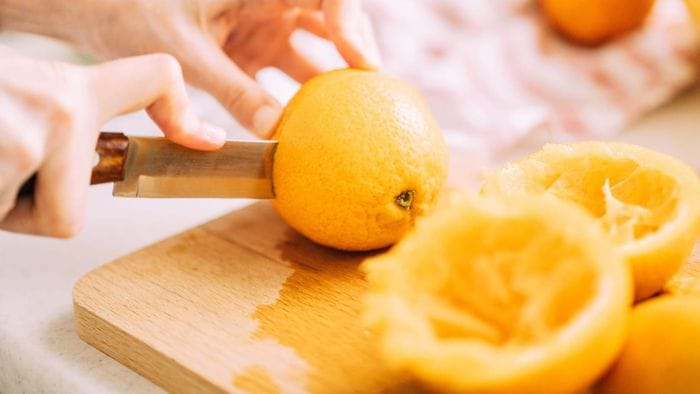
CITRUS CLEANSE: A mix of salt and lemons can help to keep your wooden chopping board germ-free (Image: Getty)
Home cooks are being urged to keep a lemon and some coarse salt handy to prevent their wooden chopping boards from becoming a health hazard. While these boards are a kitchen favourite, their porous surface can easily turn into a breeding ground for dangerous germs if not maintained correctly.
Bacteria thrive in the deep grooves left by sharp knives, which act as perfect hiding spots for leftover contaminants. Because wood naturally absorbs moisture, failing to sanitise it thoroughly significantly increases the risk of harmful bacterial build-up.
This cleaning advice is part of a broader shift towards savvy kitchen management, similar to how one shopper saved £80 every month by ditching their usual supermarket. Taking small steps in the kitchen can lead to major benefits for both your health and your wallet.
MORE KITCHEN TIPS
- The best cooking oils to use for different tasks according to a private chef
- Stop tipping away the 'liquid gold' on top of your yoghurt warns doctor
A spokesperson from Campbells Prime Meat emphasised that selecting the right board is vital for stopping cross-contamination in your home kitchen. "A proper selection of chopping boards is essential for food safety and preventing cross-contamination," they explained when discussing the differences between wood and plastic.
Choosing the safest surface
While wood has natural antimicrobial properties, it remains difficult to fully disinfect compared to non-porous materials like plastic. The expert team suggests that "opting for plastic boards for meat is often a much safer bet to significantly minimise the risk of bacteria growth."
This is especially important when preparing protein-heavy meals, such as Sophie Richards' better-than-classic Scotch eggs. Using different boards for various food groups is a simple way to maintain a hygienic environment for every recipe.
Experts also recommend implementing a colour-coding system to ensure meat and vegetables never share the same prep surface. This prevents the spread of bacteria during the creation of family favourites like Mary Berry's 'ultimate' comforting beef bourguignon.
5 wooden chopping boards for busy cooks🔪
This article contains affiliate links, and we may receive a commission on any sales we generate from it. Learn more.
🎋 Salter Bamboo 3-Piece Set: These versatile boards come in three different sizes to cover all your food preparation needs. The bamboo construction is naturally stronger than standard wood and effectively resists knife scarring. Price: £19.99
🍖 Jamie Oliver Large Acacia Board: Designed by the celebrity chef, this chunky acacia board offers plenty of space for Sunday roast carving. Its substantial weight prevents slipping, while the oil-finished wood looks beautiful on any worktop. Price: £34 (RRP £43)
🍳 Joseph Joseph Chop2Pot Bamboo: This clever design features a silicone hinge that allows you to fold the board and pour food directly into the pan. It combines the durability of bamboo with the practicality of Joseph Joseph’s signature innovation. Price: £7.38 (RRP £24.60)
🥭 MasterClass Large Mango Wood Board: Crafted from sustainable mango wood, this board features a stunning natural grain that doubles as a serving platter and includes a hanging loop for storage. Price: £24.99
🥩 KitchenCraft Butcher’s Block: Built for serious chefs, this end-grain board provides a heavy-duty surface that is gentle on your knife blades. The thick construction ensures it won't warp over time, making it a long-lasting investment. Price: £62.64 (RRP £89.49)
Prices correct at time of publication
The five-step deep clean routine
You must meticulously scrub the board with hot, soapy water after every single use to clear away all food remains. This includes using a spatula to scrape off debris before diving in with a sponge to reach every edge and crack, reports Neil Shaw on DevonLive.
Using a natural disinfectant like white vinegar is a highly effective way to kill off lingering invisible germs. Simply mist the board with an equal-parts water and vinegar solution, letting the acidity work for several minutes before a final rinse.
To eliminate stubborn odours and deep stains, sprinkle the surface with coarse salt and scrub it vigorously using half a lemon. The abrasive salt pairs with the lemon’s citric acid to refresh the wood, though you should let the mixture sit for 20 minutes before rinsing.

Lightly sanding the timber every few months helps to even out the surface and erase deep knife scores. This is a vital task before preparing delicate bakes, such as gingerbread that requires minimal washing up.
Regular oil treatments are essential to stop the wood from drying out and allowing bacteria to take hold in new cracks. Applying a food-grade mineral oil monthly creates a protective seal that keeps your kitchen tools in top-notch condition for your next simple but tasty chicken casserole.
Wood vs plastic: Which is best?
- Wooden boards: These are best for bread, vegetables, and cooked foods. While durable, they require regular oiling and manual deep cleans.
- Plastic boards: These are the safer choice for raw meat, poultry, and fish. They are non-porous and generally easy to scrub or put in the dishwasher.
Regardless of the material you choose, the most important rule is to prevent cross-contamination by using separate boards for raw and ready-to-eat foods. Many home cooks find that using a colour-coded system - such as red for raw meat and green for vegetables - is the simplest way to keep the family safe.


