


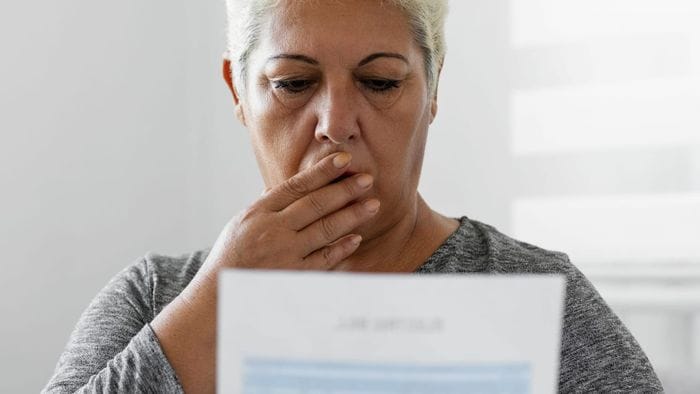
PRICE HIKE: Annual water charges are set to increase in April, leaving many households struggling (Image: Getty)
Families across England and Wales are currently bracing for a financial squeeze, as annual water bills are projected to rise by £33 this April. This looming price hike has triggered a massive 50% spike in formal complaints from consumers struggling to manage their household budgets.
Financial expert Laura Pomfret recently addressed these concerns during a broadcast of BBC Morning Live to highlight potential avenues for relief. She emphasised that "many households can get big discounts" and insisted that "it's really important" for people to verify their eligibility for various support programs.
Navigating these rising costs requires a proactive approach to identify specific regional subsidies and Government-backed schemes. By contacting providers directly, consumers can often unlock substantial energy savings that significantly offset the planned industry-wide increases.
MORE ON ENERGY
- What is the '30-minute rule' for central heating and could it save you money?
- Which? survey ranks British Gas, EDF and Scottish Power lowest for customer service
Specialised social tariff programs are structured specifically to assist low-income residents or those currently receiving Government benefits. The financial advisor noted that Southern Water customers might secure "between 45 to 90% off their water bill," while providers like Thames Water and Anglian Water offer reductions of up to 50% based on individual needs, reports Ethan Evans on the Mirror.
To access these savings, Pomfret recommends a direct line of communication with the utility provider's billing department. "Go to your water company website directly and check," she advised, or "call them and ask what social tariffs you have and see if you're eligible."
Individuals living alone without a water meter may qualify for a specific single-occupier tariff to lower their fixed costs. Eligibility for these discounts often extends to those "on certain disability benefits, or if you're State Pension age and get pension credit."
Navigating these rising costs requires a proactive approach to identify specific regional subsidies and Government-backed schemes. By contacting providers directly, consumers can often unlock substantial energy savings that significantly offset the planned industry-wide increases.
MORE ON ENERGY
- What is the '30-minute rule' for central heating and could it save you money?
- Which? survey ranks British Gas, EDF and Scottish Power lowest for customer service
Specialised social tariff programs are structured specifically to assist low-income residents or those currently receiving Government benefits. The financial advisor noted that Southern Water customers might secure "between 45 to 90% off their water bill," while providers like Thames Water and Anglian Water offer reductions of up to 50% based on individual needs, reports Ethan Evans on the Mirror.
To access these savings, Pomfret recommends a direct line of communication with the utility provider's billing department. "Go to your water company website directly and check," she advised, or "call them and ask what social tariffs you have and see if you're eligible."
Individuals living alone without a water meter may qualify for a specific single-occupier tariff to lower their fixed costs. Eligibility for these discounts often extends to those "on certain disability benefits, or if you're State Pension age and get pension credit."
If a dispute arises regarding your charges, Pomfret suggests initiating a formal inquiry with the supplier immediately. Unresolved issues can be escalated to the Consumer Council for Water to ensure a fair independent review of the billing conflict.
Beyond water-specific aid, the Warm House Discount provides a vital £150 reduction on winter energy expenses for vulnerable households. This initiative is scheduled to continue for the next five years to provide a consistent safety net for those on limited incomes.
The impact of these combined savings can provide much-needed breathing room during the colder months. As Pomfret concludes: "£150 makes a big difference. Checking if you're eligible and planning ahead for that is a really good thing to be doing."


